
Scale Your Business With Fusion’s 5-Step Ask Method For Customer Insights
Introduction
Most growth-stage business owners share a quiet fear. Money goes into ads, agencies, campaigns, and shiny new tools, yet the numbers on the dashboard barely move. When that happens, it feels less like marketing and more like guessing with very expensive dice. This is exactly why we built Scale Your Business: Fusion’s 5-Step Ask Method For Customer Insights as our core way of working with clients.
At Fusion Results, we speak every week with owners who feel squeezed from all sides. Investors want proof of growth, teams expect stability, customers demand more value, and family members just want the stress to ease. Traditional marketing promises big wins, yet the results bounce from good month to bad month with no clear pattern. The real issue is not effort or budget. The real issue is guessing what customers want instead of asking them.
The Ask Method flips that habit. Instead of building offers and hunting for buyers, we first ask real people what they struggle with most, then build around those exact answers. Our certified approach, refined since 1999, takes that simple idea and turns it into a practical 5-step formula that removes guesswork and creates both quick wins and steady growth.
In this guide, we walk through what the Ask Method is, why old-style marketing stalls, and how our 5-step process works in the real world. By the end, you will see a clear path to scale based on customer truth, not hunches, and understand how Fusion Results can guide that process from first survey to long-term optimization.
What Is The Ask Method? Understanding The Foundation Of Customer-Centric Scaling
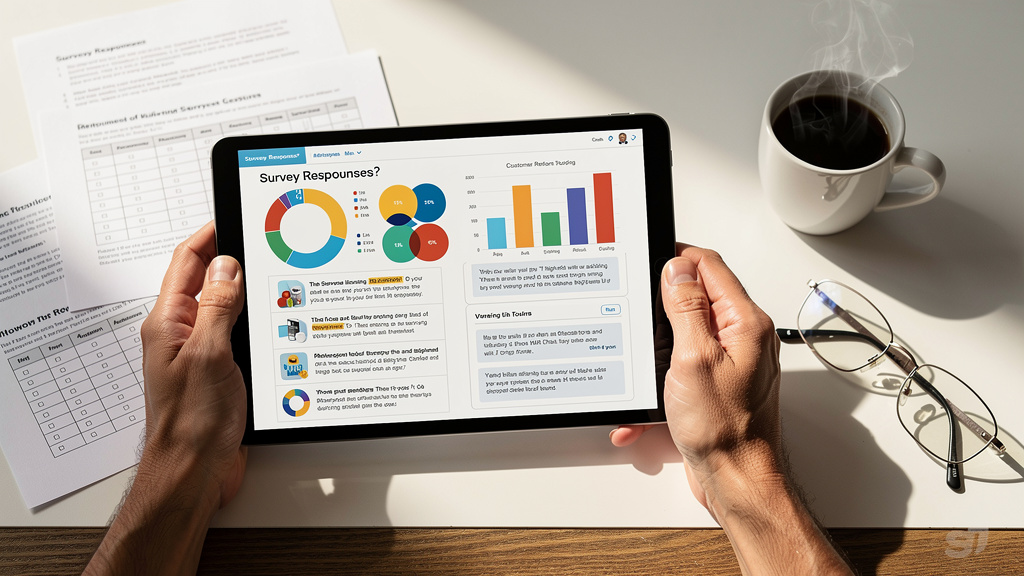
The Ask Method is a strategic framework created by Ryan Levesque that starts with a simple idea. Instead of trying to read customers’ minds, we ask them specific questions, listen closely, and then build our marketing and offers around what they say. At Fusion Results, we use this method as the foundation for every project we take on.
The heart of the method is entering the conversation already happening in a customer’s mind. People arrive with a problem, a goal, and a set of worries. When we ask about their single biggest challenge, they tell us in their own words. Those words become the raw material for headlines, emails, landing pages, and new offers. We are no longer guessing. We are reflecting what they already think and feel.
Traditional marketing often pushes one broad message to everyone. The Ask Method pulls people into an experience that feels made for them. It does this by using surveys and quiz funnels that sort visitors into different groups, or buckets, based on their answers. Each bucket represents a different type of person with a different main need.
Common bucket types include:
-
Stage of awareness (beginner vs. advanced)
-
Primary goal (save time, make money, reduce risk, gain status)
-
Situation (industry, role, life stage, or budget)
-
Obstacles (technical limits, past failures, lack of confidence)
Once people are grouped this way, we can send each bucket down a custom path with matching content, offers, and follow-up emails. The method works in B2B and B2C, in services, software, e‑commerce, and more, because every field has one thing in common: every buyer has a problem and wants to feel understood. Fusion Results is certified in this framework, and our 5-step version is built to remove the guesswork that keeps growth-stage businesses stuck.
“The aim of marketing is to know and understand the customer so well the product or service fits him and sells itself.”
— Peter Drucker
Why Traditional Marketing Falls Short For Growth-Stage Businesses

Many companies reach a point where the old playbook stops working. Ads that once pulled in leads now cost more and convert less. Broad brand campaigns sound nice on paper but are hard to tie to real revenue. At that stage, every wasted dollar feels heavier, because expectations from investors and teams keep rising.
A core reason for the drop in return is that traditional marketing often starts with what the business wants to sell, not what customers say they need. Messages are built on internal brainstorming, competitor copying, or past wins that may no longer fit the market. Without fresh input from real buyers, the team is steering by memory instead of data.
This gap creates a slow but painful effect:
-
Offers miss the mark, so prospects do not feel heard or understood.
-
Retention suffers, because first-time buyers do not see a long-term fit.
-
Word of mouth stays weak, since few customers feel excited enough to talk.
-
Marketing reports become guess-heavy, making it harder to back up spend to stakeholders.
Growth-stage companies need loyal fans, not one-time buyers, if they want scale that lasts. On top of that, owners face pressure to show clear, repeatable marketing results. Guess-based campaigns make that almost impossible.
A customer insight-driven approach, like the Ask Method, changes this picture. When we base copy, offers, and funnels on verified customer answers, we give every campaign a stronger chance of working and a clearer reason when it does.
The Business Case Benefits Of Implementing The Ask Method
When we introduce the Ask Method to a new client, we do not frame it as a clever tactic. We treat it as a business decision. The method touches how products are shaped, how messages are written, and how funnels are built. Done right, it changes key numbers across the company.
Some of the most important business benefits include:
-
Deeper Customer Understanding
Open-ended survey responses reveal not only what people want, but why they want it, what they fear, and how they describe their situation—insights that big data analytics for customer relationship management can enhance through pattern recognition and predictive modeling. This goes far beyond simple checkboxes or demographic charts. It gives you the mental picture your market already holds, which we can then mirror in your marketing. -
Higher Conversion Rates
When every bucket receives messages that match its main concern, visitors feel like they are in the right place. The shift from one generic page to several focused paths often means more opt‑ins, booked calls, and sales, without needing more traffic. -
Stronger Engagement And Loyalty
People stay with brands that seem to “get” them. By using their exact words across emails, landing pages, and offers, we build that feeling of being understood. That leads to repeat purchases and referrals, which are central for scaling. -
Better Marketing Return On Spend
By removing much of the guessing, we cut waste. Campaigns are tied to known customer needs, so tests are sharper and wins are easier to repeat. The same budget can now drive more revenue and cleaner reporting for stakeholders. -
Clear Direction For Product And Service Decisions
When customers freely tell you what they wish existed, they hand you a roadmap. Fusion Results has been using this kind of data since 1999 to help owners adjust offers, stand out in crowded markets, and show boards and investors that growth plans rest on real customer insight.
“Don’t find customers for your products, find products for your customers.”
— Seth Godin
Fusion’s Proprietary 5-Step Ask Method: A Deep Dive
Over the years, we at Fusion Results have shaped the Ask Method into a clear 5-step process. It moves from raw research to live funnels and ongoing refinement. Each step builds on the last, which is why skipping ahead usually leads back to guesswork.
Step 1 Prepare – Uncovering Core Challenges With The Deep Dive Survey
We start with a Deep Dive Survey, which is the foundation of everything that follows. We send this survey to your existing contacts, whether that is an email list, past buyers, or social media followers. The goal is not a huge volume of shallow answers. The goal is a focused set of rich, honest replies.
The key question is simple: we ask people for their single biggest challenge with your field or offer. Because the question is open-ended, we receive real stories instead of quick clicks. People write in their own style, using vivid phrases and emotional words.
A strong Deep Dive Survey usually:
-
Asks a small number of thoughtful questions
-
Mixes open-ended prompts with a few basic multiple-choice items
-
Leaves room for people to describe context in their own language
-
Avoids jargon that might confuse or bias responses
Before this survey goes live, we guide clients through a short audit. We look at why visitors come to the current site, how clear the main call to action is, what options exist for people who are not ready to buy, and how much jargon hides in the copy. That baseline makes it easier to see the gap between what the site says and what customers say back. This step moves us from guesses about needs to verified, written-out challenges.
Step 2 Persuade – Crafting High-Impact, Customer-Resonant Messaging
Once we collect and sort the survey responses, we move into persuasion. Here, we rewrite key marketing assets using the very language customers gave us. We call this mirroring. Instead of inventing clever phrases, we borrow the words buyers already use to describe their pain and desired outcome.
When a visitor lands on a page and reads a headline that sounds like a thought they had last week, they lean in—research on personalization and targeting shows that message relevance directly impacts conversion rates and customer engagement. It feels less like a pitch and more like a conversation with someone who understands. We focus less on long lists of product features and more on clearly naming the challenge the reader wants to fix.
In practice, this means reshaping homepages, landing pages, ads, and lead magnets so they speak directly to the biggest issues that surfaced in the Deep Dive Survey. We place empathy and clarity first, offers second. This step sets up the rest of the method by making sure people feel, right away, that they are in the right place.
Step 3 Segment – Grouping Your Audience Into Actionable Buckets

With language and themes in hand, we shift to segmentation. We study the survey data to spot patterns. Most markets fall into a few main groups that come to you for different reasons. We call these groups buckets.
For many clients, two or three buckets are enough to start. For example, a real estate business might discover that visitors mainly want to:
-
Buy a home
-
Sell a home
-
Find a rental
Each of those paths comes with different questions, timeframes, and emotions.
Once we define the buckets, we adjust the website and entry points so visitors can quickly choose the path that fits them. This might be through a quiz, clear buttons, or separate landing pages. The benefit is simple: people stop wading through content that does not speak to them and instead walk down a path that matches their situation. This sharpens the user experience and lays the groundwork for targeted follow-up.
Step 4 Prescribe – Delivering Specific Recommendations And Custom Funnels
After we know who is in each bucket, we can prescribe. That means designing a full customer path for every main segment. We treat each path like a doctor’s plan based on a clear diagnosis from the earlier steps.
Returning to the real estate example:
-
A person in the buy bucket might start with a short quiz on budget and timing, then receive emails about financing, local listings, and first-time buyer tips.
-
Someone in the sell bucket might get a home value estimate, guides on staging, and stories of past sales.
-
A renter might see the best current rentals and advice on applications and areas.
Behind the scenes, this involves setting up email automation, tagging contacts by bucket, and mapping follow-up content for each group. The tone stays consultative and helpful, not pushy. We often begin with the largest or most profitable bucket first, get that funnel working well, and then apply the same level of care to the next buckets.
Step 5 Monetize And Optimize – Maximizing Profit And Driving Continuous Improvement
The fifth step has two pillars.
First, we focus on monetization. Once funnels are live, we look for smart ways to increase the value of each customer. That may include:
-
Low-cost tripwire offers
-
Logical upsells and cross-sells
-
Higher-tier services for people who are ready to move faster
-
Add-on products that remove common obstacles
Well-built quiz funnels can guide visitors toward the best offer for them, which is why we see high opt-in and purchase rates in many Ask Method case studies.
Second, we lean into optimization, which we call the pivot phase. We watch the numbers, ask follow-up questions, and actively look for friction points. Sometimes the messaging needs a small change. Other times a bucket split needs to be adjusted, or a new path needs to be added as the market shifts.
This cycle never really ends, and that is a strength. Instead of a one-time campaign, you gain a living system that keeps learning from your customers. Many public success stories, such as those featured in major business media, come from owners who stuck with this full cycle of ask, segment, prescribe, monetize, and pivot.
Real-World Success: How Businesses Have Scaled Using The Ask Method

When we explain the Ask Method, we hear a fair question: does this work beyond theory? The answer is clear when we look at companies that have already used it at scale.
Take Michael Hyatt and his membership platform, which demonstrates how to launch a SaaS product successfully using customer-driven insights to guide feature development and positioning. After adding a quiz funnel based on the Ask Method, his team brought in more than twelve thousand leads and hundreds of new members in under a month. Compared to his previous campaigns, that single funnel outperformed by a wide margin and became a core driver of growth.
Carrie Green of the Female Entrepreneur Association built a quiz to understand and guide women in her audience. Well over one hundred thousand people have gone through that quiz, and around two thirds of them joined her email list. That steady flow of qualified, segmented leads helped her grow a paid membership into the thousands with strong recurring revenue.
Author coach Morgan Gist MacDonald used the method to sell higher-priced coaching. After applying what she learned, she hosted an event, sold dozens of tickets in just over two weeks, and converted a meaningful slice of those attendees into premium clients. For a service-based business, that kind of lift has a direct impact on revenue.
Relationship teacher Jamal Miller followed the full Ask Method path and saw his list jump by ten thousand leads in less than two weeks. That growth played a part in his shift from hourly work to being featured in major business press as a successful entrepreneur. These examples span memberships, coaching, content, and more, which shows why we apply the same core method at Fusion Results across many client types.
Who Can Benefit: Industry Applicability Of The Ask Method
One concern we often hear is that this kind of customer research might only suit certain fields, like online courses or consumer brands. In practice, the opposite is true. Any business that depends on understanding people’s problems can gain from the Ask Method.
-
B2B companies can use it to speak differently to each role inside a client company. A chief technology officer, for example, thinks about risk and scale, while a project manager may focus on ease of use and deadlines. Separate buckets and paths make those talks smoother.
-
E‑commerce brands can guide shoppers based on why they are buying. Some want a gift, some want to treat themselves, and others seek to fix a specific issue. A short quiz and segmented follow-up help each shopper find the right item faster and feel better about the purchase.
-
Service providers such as consultants, agencies, and coaches can learn exactly what outcomes clients care about most. That insight can shape tiered packages that match different levels of urgency and budget.
-
Content creators and membership owners can spot knowledge gaps and build courses that people are already asking for.
-
Non-profits can survey donors to understand what moves them to give, then adjust campaigns to speak to those motives.
Across all these cases, Fusion Results applies the same method with adjustments for each field’s norms and sales cycles.
What You’ll Need: Resources And Skills For Successful Implementation
To put the Ask Method into practice, a business needs more than a good idea. There are specific tools, skills, and assets that make the process smoother. We walk clients through these at the start so there are no surprises.
You will typically need:
-
Tools
-
A way to run surveys and quizzes
-
An email platform that supports tagging and automation
-
A landing page builder or flexible website platform
-
Analytics tracking so you can see what works
-
(Optional) A customer relationship management system to link quiz and survey data to sales records, with platforms like Oracle AI for Customer offering advanced capabilities for integrating customer insights across touchpoints
-
-
Skills
-
Strong copywriting to translate raw customer language into clear, persuasive messages
-
The ability to read and organize data from Deep Dive Survey responses
-
Funnel planning and basic tech setup across email, pages, and tracking
-
-
Strategic Assets
-
An existing audience, which speeds up the early stages
-
Clear offers, so we can map paths for each bucket without confusion
-
That said, we have seen companies start with small lists and grow from there. Some firms choose to build all of this in-house. Others partner with a certified team like Fusion Results so they can skip trial and error and move faster.
Implementation Timeline: What To Expect On Your Scaling Path
Every business starts from a different place, so timelines vary, but patterns do exist. We like to set honest expectations from day one, while also pointing out where quick wins often appear.
A typical implementation looks like this:
-
Preparation And Discovery (1–4 Weeks)
We design and launch the Deep Dive Survey and collect enough answers to see clear patterns. Depending on your audience size and response rate, this can take from a few days up to several weeks. Even during this phase, early replies can guide small tweaks to current pages. -
Analysis And Strategy (1–2 Weeks)
We sort responses, define buckets, and plan the first funnel, usually for the bucket that brings in the most revenue or holds the strongest growth promise. -
Funnel Construction (2–6 Weeks)
We write copy, build landing pages, wire automation, and test forms and links. This is where insights turn into concrete assets your audience will see. -
Launch And Early Optimization (1–2 Weeks)
We go live and monitor sign-ups, open rates, clicks, and early sales to spot any obvious friction. Fast edits here can give a noticeable lift. -
Ongoing Optimization And Expansion (Continuous)
We keep refining the first funnel and, once it is steady, start building additional paths for the other buckets. Some businesses see strong results in a few weeks, while full multi-bucket systems often take a few months. With guidance from Fusion Results, we aim to shorten that path while keeping quality high.
Key Takeaways
The Ask Method is not just a survey trick. It is a full approach that puts customer language at the center of your growth plan. When we apply it through our 5-step process, we replace guesswork with data-backed insight.
Key points to remember:
-
Asking focused questions gives you direct access to what buyers think and feel.
-
Mirroring those words in your copy makes your marketing feel relevant and personal.
-
Grouping people into clear buckets allows you to guide them down fitting paths.
-
Thoughtful monetization and ongoing optimization help your system get better over time.
-
This approach works across fields, price points, and business models.
Most important, this method gives owners and investors a clearer line from marketing actions to revenue results. That clarity is often what turns scattered efforts into a scale-ready growth engine.
Conclusion
Scaling a business is hard enough without having to guess what customers want. When marketing is built on hunches and internal opinions, results swing from good to bad with no clear reason. The Ask Method changes that by grounding each step in real words from real people.
Through our 5-step version at Fusion Results, we start with deep research, move into clear and empathetic messaging, then build segmented funnels that guide each type of buyer along a fitting path. From there, we focus on smart monetization and steady refinement, so results do not spike once and fade, but instead build over time.
Stories from membership sites, coaches, authors, and experts show that this approach works far beyond one niche. Whether a company sells software, services, physical products, or ideas, the same rule holds: businesses grow faster and more steadily when they listen closely and respond to what customers say.
If current marketing efforts feel random, if growth targets keep rising while returns stay flat, there is a proven alternative. With over two decades of experience and certified Ask Method training, we at Fusion Results help owners turn customer insight into a clear, practical plan to scale. The truth you need is already in your market. Our job is to help you ask the right questions and act on the answers.
FAQs
What If I Don’t Have An Existing Email List Or Audience To Survey?
An existing list does make the early stages faster, but it is not required. We often start by surveying past clients, warm contacts, or followers on social channels. In some cases, we help owners run small paid campaigns that invite people to a short quiz and then ask a few deeper questions. Even twenty to thirty thoughtful responses can reveal strong themes. As we build new funnels, we fold survey-style questions into lead magnets so the audience and the insight base grow together. Fusion Results can guide both the audience growth plan and the Ask Method setup at the same time.
How Is The Ask Method Different From Traditional Market Research?
Traditional research often leans on broad studies, panels, or long reports that feel removed from day-to-day selling. The Ask Method is more direct and more practical. We ask focused questions, capture the exact phrases people use, and plug those into headlines, emails, and offers right away. The same data shapes the way we segment visitors and build funnels, so insight does not sit in a slide deck. Because we keep asking and adjusting, the process forms a loop instead of a one-time project, and it often costs less than big, formal research programs.
Can The Ask Method Work For High-Ticket B2B Services, Or Is It Only For B2C And Online Products?
High-ticket B2B offers are a great fit for this method. In those cases, buyers usually move through longer sales cycles, involve more decision makers, and ask deeper questions. The Ask Method helps us learn what each role cares about, qualify leads based on fit and urgency, and send focused content that supports each stage of the deal. The same ideas that helped coaches sell premium programs also help consultants, agencies, and software firms guide prospects toward larger contracts. For complex purchases, clear customer insight is not a nice extra. It is a serious advantage.
How Long Before I See ROI From Implementing The Ask Method?
Return tends to show up in layers. Many clients see early gains as soon as they apply survey language to key pages and ads, since clearer copy lifts click and opt-in rates. Once the first full funnel goes live, often within a couple of months, we usually see more concrete shifts in lead quality and sales. Some public case studies report big wins in as little as three weeks, though that depends on traffic and offer strength. The deeper, compounding return comes from ongoing testing and improvement in the pivot phase, where each quarter of learning makes the whole system more effective.
Do I Need To Hire A Specialized Agency, Or Can I Implement This In-House?
Both paths can work. To run the Ask Method fully in-house, a company needs someone who can write strong copy, someone who can read and sort data, and someone who can manage tools like survey software, email systems, and landing pages. That takes focused time. Working with a certified team such as Fusion Results brings a tested playbook, knowledge of common mistakes, and a faster route from idea to live funnel. Some clients choose a middle path, where we design and build the first system while training their team to manage and expand it. The right choice depends on current staff capacity, growth targets, and how quickly you want to see consistent, insight-driven marketing in place.
